Source Posture Correction Back Body Stick for Yoga, Fitness, and Rehab
Find 30 options for the posture correction back body stick designed for yoga, fitness, and rehabilitation. Compare materials like cotton and steel, adjustable lengths, and customization features to select the right tool for your inventory needs; compare the available evidence and request quotations based on your requirements.
Key considerations
Products List


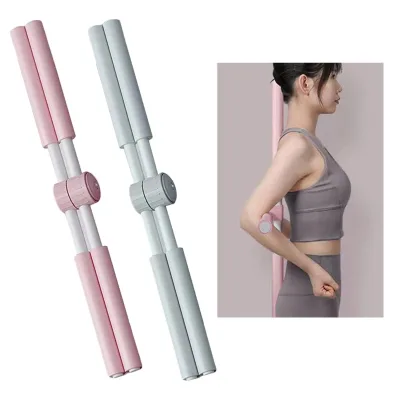
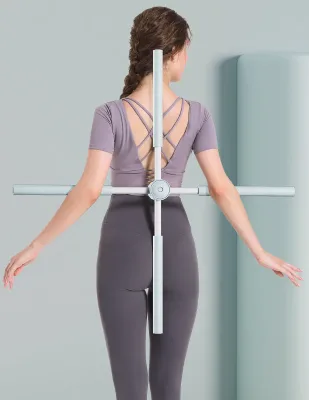

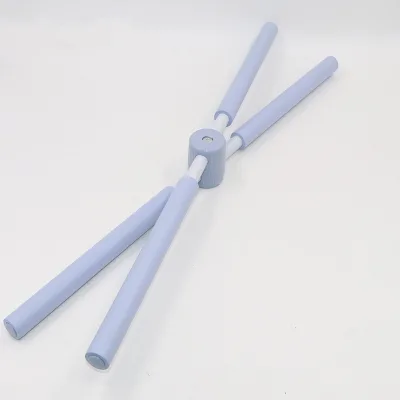
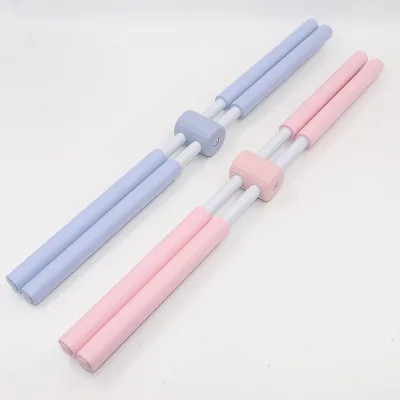


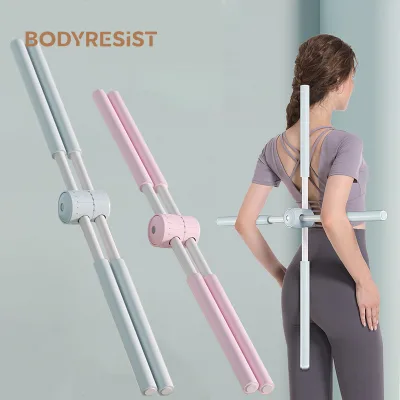
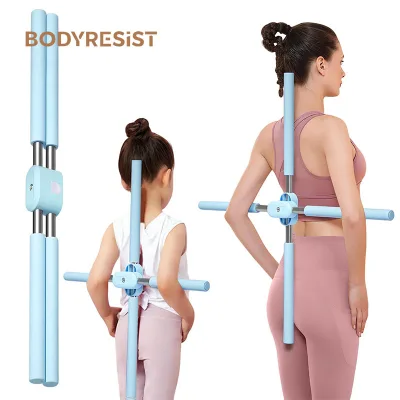
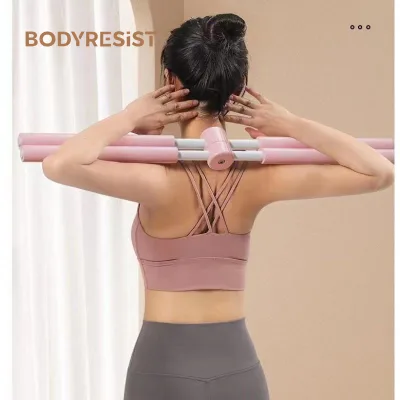


Comprehensive Sourcing Guide
Posture Correction Back Body Stick Sourcing Guide
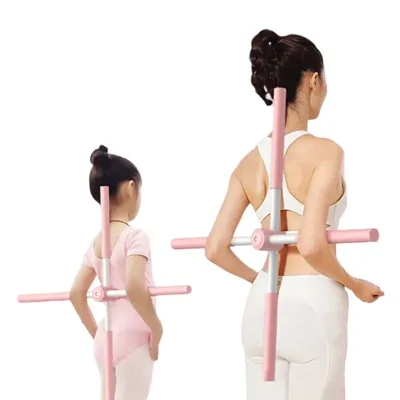
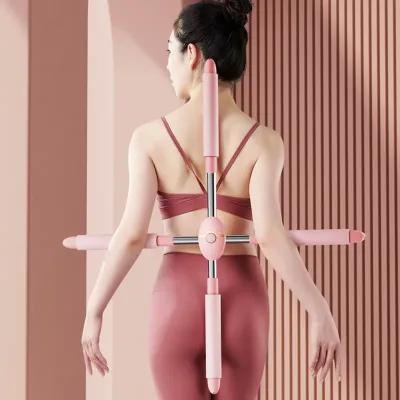
Procuring posture correction back body sticks requires a disciplined approach to material verification and structural integrity assessment. These devices are primarily designed for adult users seeking to improve spinal alignment through targeted stretching and resistance exercises. The core mechanism involves a rigid or semi-rigid stick that applies gentle pressure to the upper back, encouraging the shoulders to roll back and the chest to open. Buyers must recognize that while the functional goal is consistent across listings, the execution varies significantly based on the underlying materials and manufacturing standards. Understanding these variations is critical for ensuring the product meets the ergonomic needs of the end consumer without causing discomfort or injury during use.
The market offers a diverse range of options, from simple cotton-wrapped sticks to complex stainless steel frames with foam padding. Sourcing decisions should be driven by the intended use case, whether for clinical therapy, gym fitness, or daily ergonomic correction. It is essential to evaluate how the product’s design facilitates the correction of humpback or rounded shoulder postures. Buyers should prioritize products that offer adjustable lengths or customizable features to accommodate different body types. This adaptability not only enhances user comfort but also broadens the potential market reach for the final product. A thorough understanding of these functional nuances ensures that the selected supplier can deliver a product that aligns with specific quality and performance expectations.
Product Scope and Observed Listing Signals
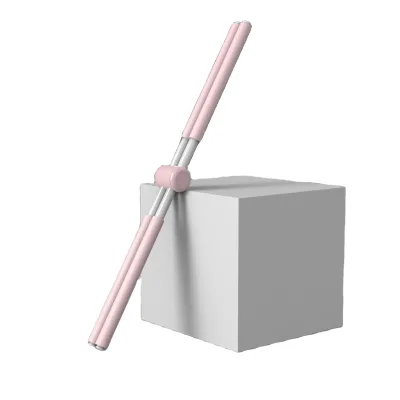
The current market landscape for posture correction sticks reveals a wide spectrum of product configurations and specifications. Listings indicate that products are available in various models, such as open-back sticks and adjustable body sticks, with lengths ranging from approximately 52cm to 82cm. Some models feature fixed dimensions, while others offer adjustable capabilities to suit different user heights and preferences. The observed product names often include terms like "stretching adjust back posture corrector" or "humpback correction stick," highlighting their specific therapeutic applications. Buyers should note that these descriptive terms are marketing tools and do not guarantee identical performance across all suppliers. It is crucial to verify the actual physical attributes of the product rather than relying solely on the product title or description provided in the listing.
Material composition is a key differentiator among the available options. Some products are constructed from steel tubes combined with foam padding, offering durability and comfort, while others may utilize cotton or other fabrics for wrapping. The weight of the products also varies, with some units weighing around 420g and others up to 750g or more, depending on the packaging and material density. Color options are typically customizable, with suppliers offering solid colors or specific hues like yellow, violet, red, green, and blue. Packaging methods also differ, ranging from individual cartons and OPP bags to shrink wrap and custom packaging solutions. These variations impact not only the user experience but also the logistics and shipping costs associated with the procurement process.
Technical Specifications to Verify
When evaluating technical specifications, buyers must focus on the structural integrity and dimensional accuracy of the posture correction sticks. The material composition, whether it is stainless steel, foam, or cotton, directly influences the product's durability and comfort. It is essential to verify that the steel tubes are of sufficient gauge to withstand repeated use without bending or breaking. The foam padding should be dense enough to provide adequate support without compressing too quickly, ensuring long-term effectiveness. Additionally, the surface finish of the materials should be smooth to prevent skin irritation or damage to clothing during use. Buyers should request detailed material specifications and, if possible, physical samples to assess the quality of the components firsthand.
Dimensional accuracy is another critical aspect of technical verification. The length of the stick must match the advertised specifications, with adjustable models offering a reliable range of motion. For fixed-length models, the exact measurement should be confirmed to ensure it aligns with the target user demographic. The diameter of the stick is also important, as it affects the grip and the pressure applied to the back. Buyers should verify that the product meets the stated standards, such as specific length or weight requirements, and that these standards are consistently applied across production batches. Any discrepancies in dimensions or material quality can lead to customer dissatisfaction and potential returns, making thorough verification a vital step in the sourcing process.
Compliance and Safety Documentation
Safety and compliance are paramount when sourcing products that come into direct contact with the human body. Buyers must ensure that the materials used in the posture correction sticks are non-toxic and free from harmful chemicals. This is particularly important for the foam padding and any fabric coverings, which should be certified for skin contact. Suppliers should provide documentation confirming that the materials meet relevant safety standards for consumer goods. This may include certifications for flammability, chemical composition, and mechanical safety. Without proper documentation, buyers risk introducing products that could pose health risks to end users, leading to legal liabilities and reputational damage.
In addition to material safety, buyers should verify that the manufacturing process adheres to quality management standards. This includes ensuring that the production facilities follow good manufacturing practices to maintain consistency and hygiene. Documentation such as ISO certifications or other quality management system certificates can provide assurance that the supplier has robust processes in place. Buyers should also inquire about any testing conducted on the final product, such as stress tests or durability assessments. These tests help ensure that the product can withstand normal use without failing. By prioritizing compliance and safety documentation, buyers can mitigate risks and ensure that the products they source are safe and reliable for consumers.
Cost Drivers and Commercial Terms
Several factors influence the cost of posture correction back body sticks, with material quality and customization being primary drivers. Products made from high-grade stainless steel and dense foam will naturally cost more than those using basic materials. Customization options, such as adding a customized logo or specific packaging, also add to the overall cost. Buyers should be aware that while lower-priced options may seem attractive, they often compromise on quality and durability. It is essential to balance cost considerations with the need for a high-quality product that meets customer expectations. Understanding these cost drivers allows buyers to make informed decisions and negotiate better terms with suppliers.
Commercial terms, including minimum order quantities (MOQ) and lead times, also play a significant role in the procurement process. MOQs can vary widely, from as low as one piece to several hundred, depending on the supplier and the level of customization required. Lead times are typically influenced by the complexity of the order and the supplier's production capacity. Buyers should clarify these terms early in the negotiation process to avoid delays and unexpected costs. Additionally, payment terms and shipping arrangements should be clearly defined to ensure a smooth transaction. By understanding the commercial landscape, buyers can optimize their procurement strategy and secure favorable terms that align with their business objectives.
Supplier Qualification and Quality Control
Selecting the right supplier is critical for ensuring the quality and reliability of posture correction back body sticks. Buyers should conduct thorough due diligence to verify the supplier's credentials, including their manufacturing capabilities, quality control processes, and track record. It is important to assess whether the supplier has experience in producing similar products and whether they have a robust quality management system in place. Suppliers that offer OEM and ODM services may provide greater flexibility, but buyers must ensure that these services are managed with the same level of quality control. Requesting references or case studies can provide valuable insights into the supplier's performance and reliability.
Quality control measures should be implemented throughout the production process to ensure consistency and adherence to specifications. Buyers should establish clear quality standards and communicate them effectively to the supplier. Regular inspections, both during production and before shipment, can help identify and address any issues early. Buyers should also consider implementing a sampling process to verify the quality of the products before committing to a large order. By maintaining strict quality control standards, buyers can minimize the risk of receiving defective products and ensure that their customers receive high-quality items. This proactive approach to supplier qualification and quality control is essential for building a successful and sustainable sourcing relationship.
Long-Term Procurement Checks
Sustaining a successful sourcing relationship requires ongoing monitoring and evaluation of supplier performance. Buyers should regularly review key performance indicators, such as delivery times, product quality, and responsiveness to issues. This continuous feedback loop helps identify areas for improvement and ensures that the supplier remains aligned with the buyer's expectations. It is also important to stay updated on any changes in the supplier's operations, such as shifts in manufacturing locations or changes in material sourcing. These changes can impact the quality and cost of the products, so buyers must be prepared to adapt their strategies accordingly. Regular communication with the supplier can help maintain a strong partnership and address any concerns promptly.
As market trends and consumer preferences evolve, buyers must remain agile in their procurement strategies. This may involve exploring new suppliers, negotiating better terms, or introducing new product variations to meet changing demands. Buyers should also consider the long-term sustainability of their sourcing practices, ensuring that they align with environmental and social responsibility goals. By staying informed about industry developments and maintaining a proactive approach to supplier management, buyers can secure a competitive advantage and ensure the long-term success of their procurement operations. This forward-thinking mindset is essential for navigating the complexities of the global sourcing landscape and achieving sustained business growth.
FAQs
What materials are used for posture correction back body sticks?
These sticks are typically constructed from steel tubes combined with foam padding for comfort and durability. Some variations utilize cotton materials for specific ergonomic designs. The steel core provides the necessary rigidity for effective posture correction, while the foam ensures user comfort during extended stretching sessions. Buyers should verify the specific material composition with suppliers to ensure it meets their quality and safety requirements.
Can I customize the logo on these posture correction sticks?
Yes, customized logos are available for most posture correction back body sticks. Suppliers generally offer printing logo services or accept OEM and ODM requests. This allows buyers to brand the products for retail or corporate gifting. It is advisable to confirm the customization options, such as printing methods and design files, directly with the manufacturer to ensure the final product matches your branding standards.
What is the typical MOQ for ordering these sticks?
The minimum order quantity varies by supplier, ranging from as low as 1 piece to 1000 pieces. Common MOQs observed include 10 pieces or 30 pieces for standard models. Buyers seeking small batches can find vendors with low entry barriers, while larger orders may benefit from volume pricing. Always check the specific MOQ requirements for the model and customization level you intend to purchase.
How long is the delivery time for these products?
Delivery details typically range from 20 to 25 days after receiving the deposit. This timeline applies to standard production runs for posture correction back body sticks. Lead times may vary based on order volume, customization complexity, and supplier capacity. Buyers should confirm the exact delivery schedule with the supplier before placing orders to align with their inventory planning and market launch timelines.
What specifications are available for these posture correction sticks?
Available specifications include adjustable lengths such as 52-82cm and fixed sizes like 75.5cm or 78cm. Models often feature standard dimensions like 50/60/70/80 by 2cm. The single package size is frequently around 55 by 15 by 15 cm. Buyers should select the specification that best fits their target customer's needs and verify the exact dimensions with the supplier to ensure compatibility with their packaging and shipping requirements.
Where are these posture correction sticks manufactured?
These products are primarily manufactured in China, with origins in provinces such as Fujian, Zhejiang, Jiangsu, and Ningbo. Different suppliers may operate in different regions, affecting logistics and lead times. Buyers can specify their preferred origin or evaluate suppliers based on their location for cost efficiency. It is recommended to verify the exact place of origin for each model to ensure compliance with any regional trade requirements.